Exploring Box Parks: Innovative Urban Spaces

Intro
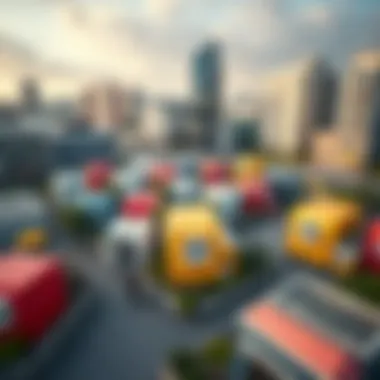
In recent years, urban landscapes have been reshaped by new ideas, one of which is the increasingly popular concept of box parks. These innovative spaces, often constructed using repurposed shipping containers, have popped up in cities around the globe, transforming underutilized areas into vibrant hubs for social interaction, commerce, and creativity. As cities continue to grapple with challenges such as population growth, economic shifts, and environmental concerns, box parks present a refreshing alternative to traditional park designs, blending functionality with modern aesthetics.
This exploration aims to provide not only an overview of what box parks are but also delve into their contributions to contemporary urban regeneration and community engagement. Each box park tells a unique story, based not just on its physical structure but on the lives it touches and the local economies it sustains. By pulling back the curtain on their design principles and environmental impacts, this article seeks to uncover the layers that contribute to the success and appeal of box parks.
As we take this journey through the streets where these parks reside, we will discuss remarkable case studies, spotlight design principles, and contemplate the broader implications of integrating such adaptable spaces into our cities. This investigation is particularly relevant for stakeholders like investors, realtors, developers, and community members who are keen to harness the potential that box parks embody.
Let's embark on this exploration of box parks and see how they are shaping the urban experience, creating connections and opportunities, one box at a time.
Understanding Box Parks
Understanding box parks is crucial in grasping their impact on urban environments. These unique spaces represent much more than mere collections of shipping containers or modular units; they embody a shift in how cities can rethink public spaces. Box parks offer a lively blend of retail, food, leisure, and community interaction, contributing to an urban landscape that is more vibrant and inclusive.
Definition and Concept
A box park is a temporary or permanent urban space constructed from salvaged shipping containers or similar modular structures. They’re designed for mixed-use—often housing restaurants, shops, and co-working spaces—all in one location. The term encompasses various designs and purposes, making each box park somewhat distinct. What truly unites them is their flexibility and potential for community engagement.
The modular architecture allows for rapid construction and adaptability, which aligns well with the fast-paced needs of urban development. However, it’s not just about aesthetics or functionality; box parks often play a role in establishing a sense of place, offering locals spaces where they can gather, socialize, and even partake in recreational activities.
In cities around the globe, these parks can often be found in previously neglected areas, rejuvenating them into bustling hubs of activity. Their inherent versatility makes them very attractive in urban planning, notably when catering to diverse demographics. Furthermore, they frequently feature local artisans and entrepreneurs, strengthening the local economy. As various communities face challenges of urban sprawl and lack of available land, box parks emerge as viable solutions—demonstrating just how transformative these spaces can be.
Historical Context
Box parks did not spring up overnight; their evolution has roots in broader urban and economic trends. They often trace their lineage back to the pop-up shop phenomenon of the early 2000s, which aimed to repurpose vacant lots and create temporary retail spaces. However, it wasn't until the concept gained traction in innovative cities like London that box parks began to carve out their niche in urban planning.
Boxpark Shoreditch, opened in 2011, was one of the first examples, successfully illustrating how shipping containers could be repurposed to foster community involvement and entrepreneurship. This box park demonstrated that creativity often flourishes in spaces that embrace a temporary or modular nature. Its success paved the way for similar initiatives worldwide.
The essence of box parks lies in their response to the needs and desires of urban dwellers, often emerging in reaction to the decline of traditional retail or the need for more communal spaces. By taking a closer look at both the definition and historical context of box parks, we see that they merge theory with practice, providing a unique case study in the ever-changing dynamics of urban landscapes.
"Box parks are a reflection of urban resilience, showcasing how cities can adapt in the face of economic shifts and community needs."
These insights into understanding box parks illustrate their relevance and potential. They embody the way forward in revitalizing cities while providing essential services and fostering community spirit.
Design Principles of Box Parks
The design principles of box parks play a crucial role in shaping these vibrant urban spaces. Understanding these principles allows us to appreciate how box parks can serve as flexible environments, contributing not only to aesthetic value but also to community engagement and economic vitality.
Modular Architecture
At the heart of box parks lies modular architecture. This approach focuses on creating structures from prefabricated units, making them easy to assemble, disassemble, and reconfigure. The modular nature of box parks maximizes usability without sacrificing style.
Key Benefits of Modular Architecture:
- Flexibility: The inherent flexibility allows for customization depending on seasonal events or community needs. For example, a box park might host food stalls during summer and turn into a craft market in winter.
- Efficiency: Construction time and costs are significantly reduced since modular components can be manufactured off-site. They arrive ready to be set up in various configurations, making them an attractive investment for both developers and local governments.
- Aesthetic Appeal: Beyond functionality, modular designs can be quite chic. With a visual mix of containers, surfaces, and colors, they create a unique urban backdrop that resonates with contemporary culture.
Sustainability Considerations
Sustainability is another cornerstone of box park design. As urban landscapes face significant environmental challenges, box parks offer solutions that benefit communities and the planet alike.
Important Sustainability Aspects:
- Recyclable Materials: Many box parks utilize shipping containers and reclaimed materials, which helps divert waste from landfills while reducing the carbon footprint associated with new construction.
- Energy Efficiency: Implementing sustainable energy sources such as solar panels can reduce overall energy consumption, making box parks not just aesthetically pleasing but also eco-friendly.
- Water Management: Integrating rainwater harvesting systems helps manage stormwater effectively, turning potential issues into resources. This kind of approach can also be a learning point for communities about effective resource management.
"Modular architecture combined with sustainable practices not only addresses current urban issues but sets a foundation for the future of city living."
Adaptability to Space
Adaptability is perhaps the most significant aspect when discussing box park design principles. As urban areas grapple with space constraints and varying landscapes, box parks can nestle into unexpected corners, transforming unused spaces into thriving hubs.
Considerations for Adaptability:
- Site-Specific Designs: Each box park can be tailored to fit the unique characteristics of its location. Whether it’s a narrow alley, an abandoned lot, or an open square, adaptability ensures that box parks enhance their surroundings rather than disrupt them.
- Community Input: Engaging with local residents during the planning stages helps ensure that box parks meet community needs. Often, the most successful designs are those that incorporate feedback from residents, which leads to spaces that feel personalized and welcoming.
- Temporal Use of Spaces: Box parks can be implemented on a temporary or permanent basis, allowing cities to experiment with space utilization. A portion of a street can be transformed into a box park for a limited time, offering insights into its potential before committing to a permanent change.
The design principles of box parks are pivotal in crafting not only functional spaces but also enriching urban experiences. By combining modular architecture, sustainability, and adaptability, they can positively influence their communities and environments.
The Role of Box Parks in Urban Regeneration
Box parks represent not just innovative architectural solutions, but also a catalyst for urban regeneration. While many developments aim to profit financially, box parks create environments that invite both economic and social rejuvenation. They breathe life into neglected areas, creating spaces that foster community interaction, enhance economic opportunities, and promote environmental awareness. In an age where urban spaces often feel more like concrete jungles than vibrant communities, box parks reintroduce the essence of connection and craftsmanship.
Transforming Underutilized Areas
One of the most notable attributes of box parks is their ability to transform neglected spaces into thriving community hubs. Urban areas often have pockets that struggle with disuse: abandoned buildings, vacant lots, or forgotten corners of local neighborhoods. Box parks can step in to rejuvenate these areas, turning them into vibrant places where community members gather, interact, and thrive.
Take the case of the Boxpark in Shoreditch, London. What was once an underutilized stretch of land is now a bustling hotspot filled with independent shops, food vendors, and local artists. This transformation isn't just aesthetic. Studies have shown that these projects can increase foot traffic, improve safety, and elevate the overall property values of surrounding areas. More importantly, community members feel a sense of pride and ownership, as they can reclaim what once was a deserted space.
In addition, the modular nature of box parks allows for creative flexibility. Developers can customize designs to fit the particular needs of the area. This adaptability can lead to transforms that honor cultural heritage or address community-specific challenges. For instance, installing local art installations or providing spaces for community programming can directly relate to the identity of the neighborhood.
Enhancing Social Connectivity
Box parks play a pivotal role in enhancing social connectivity amongst diverse groups within urban landscapes. In an era dominated by digital interactions, these real-world environments bring people together, breaking down barriers and fostering community spirit. They serve as venues for social gatherings, performances, workshops, and markets.
The design of box parks inherently encourages dynamic interactions. With seating areas, open spaces, and communal tables, the architecture invites people to linger instead of just passing through. These parks become melting pots where various demographics mix, fostering an environment of inclusivity and collaboration.
Furthermore, by hosting events that showcase local culture—like food festivals or art showcases—box parks become platforms that celebrate diversity. These events stimulate conversations among residents and introduce newcomers to the fabric of the community. This process not only builds trust but also a sense of belonging.
In cities where disconnection is often a problem, the positive ripple effects of box parks in fostering social connectivity cannot be overstated. Through shared experiences, individuals create networks that transcend socio-economic divides, encouraging cooperative relationships that may extend beyond the park's boundaries into the wider city.
"Box parks can turn an area around not just physically, but emotionally, knitting the fabric of a community tighter together."
In summary, the role of box parks in urban regeneration is multifaceted. By transforming underutilized spaces and enhancing social connectivity, they are reshaping how urban environments operate and engage with their inhabitants. Through their thoughtful design and community-driven focus, box parks can stimulate economic growth while fostering closer ties between residents, ultimately contributing to the livability of urban settings.
Economic Impact of Box Parks
Box parks are not just trendy spots for casual dining and retail; they also serve as catalysts for local economies. Their potential to transform areas is remarkable, and understanding their economic implications is crucial for various stakeholders including investors, developers, and community planners. By examining the ways in which box parks foster economic growth, we can appreciate their role in shaping the landscapes of urban living.
Boosting Local Businesses
The relationship between box parks and local businesses is symbiotic. For small enterprises, particularly startups, a box park provides a platform that is often more affordable and flexible than traditional retail spaces. Here are some specific aspects to consider:
- Lower operational costs: Box parks allow entrepreneurs to lease modular units at lower rates compared to conventional retail spaces. This financial accessibility enables more unique businesses to launch and thrive in urban centers.
- High foot traffic: Box parks typically attract a diverse crowd, drawn by food options, shops, and recreational spaces. This influx can lead to increased sales and visibility for local vendors. In places like Boxpark Shoreditch, London, many independent merchants reported a significant rise in customer engagement after moving in.
- Collaborative environment: By housing multiple businesses within a single space, box parks encourage collaboration among vendors. For instance, a coffee shop and a bakery can cross-promote their offerings, creating a more cohesive experience for shoppers.
The economic impact of box parks extends beyond the stalls and shops themselves; they often become social hubs that drive economic activity in surrounding areas.
Attracting Investment
Box parks serve as magnets for investment, both from public and private sectors. Their vibrant, dynamic nature can breathe new life into neglected urban zones, and this revitalization attracts further financial interest. Here are some key elements of this phenomenon:
- Public-private partnerships: Often, the development of box parks involves collaboration between local governments and private entities. This partnership can facilitate funding and resource-sharing, leading to projects that can substantially enhance property values in the area.
- Tourism boost: As box parks gain popularity, they draw tourists and visitors from nearby neighborhoods and cities, which in turn boosts local spending. A successful box park, like The Goods Yard in Sydney, not only provides local retail options but also becomes a destination for travelers.
- Community investment: The involvement of local residents in the creation and sustenance of box parks has a twofold economic benefit. Not only do residents have a stake in the success of these environments, but they also invest in their own community, leading to a cycle of economic renewal.
"Box parks are more than just places to hang out; they are pivotal economic engines that can revitalize urban landscapes."
For those interested in learning more, resources such as Wikipedia, Britannica, and community forums on Reddit dive deep into urban development themes.
Community Engagement in Box Parks
Community engagement is a cornerstone of box parks, significantly influencing their success and appeal. These dynamic spaces are not just places for commerce; they are vibrant community hubs that can foster connections among residents and visitors alike. By engaging the public in various activities, box parks cultivate a deeper sense of belonging and enhance the social fabric within urban environments.
Cultural and Recreational Activities
Cultural and recreational activities in box parks take numerous forms, from art exhibits to food festivals, contributing to an atmosphere that attracts diverse groups of people. For instance, hosting local artists for exhibitions allows the public to enjoy creative talents while further integrating the arts into daily life.
Recreational options can promote healthy lifestyles. Events such as yoga classes or fitness boot camps draw individuals looking for ways to stay active amidst the urban environment.
The impact of these activities is twofold: First, they draw people in, creating foot traffic that benefits local vendors. Second, they provide a shared experience that helps cultivate community ties. Regular gatherings often lead to organic networking among residents, sparking new friendships or even collaborations among local artists, businesses, and non-profits. As a result, box parks become more than just a collection of shops—they morph into thriving ecosystems where creativity and health flourish side by side.
Fostering Community Identity
Fostering a robust community identity is vital for box parks as they serve as channels for local culture and pride. By allowing the community to showcase its unique character, these parks provide a platform for stories and traditions that shape the identity of a neighborhood.
"Box parks are not only redefining urban spaces; they are rediscovering what it means to be part of a community, making each individual feel seen and heard."
One tangible approach to this is through community-driven design. Local input in the planning stages ensures that the park reflects the cultural nuances and needs of those it serves.
For example, engaging residents in discussions about what features they would like to see—be it murals, play areas, or performance stages—promotes investment in the space. Furthermore, targeted programs, such as language exchange meet-ups or historical walking tours, can strengthen social dynamics by connecting neighbors who share similar backgrounds or interests.
Environmental Considerations of Box Parks
The environmental dimension of box parks is an essential aspect that cannot be overlooked. As urban areas expand and green spaces dwindle, the need for innovative solutions that harmonize the built environment with nature is primed for attention. Environmental considerations shed light on how box parks not only serve as gathering spaces but also play an important part in promoting ecological health.
Green Spaces and Biodiversity
Box parks, with their modular design, often incorporate green elements that enrich urban ecosystems. By integrating plant life, these spaces create pockets of biodiversity amidst concrete jungles. Think of it this way: a simple parklet with shrubs and native plants can attract pollinators like bees and butterflies. This not just beautifies the space, it fosters a thriving ecosystem right where people live and work.
The benefits of including green spaces extend beyond aesthetics. They also improve air quality. Plants absorb carbon dioxide while releasing oxygen, making those areas fresher. Furthermore, they act as natural filters for rainwater, helping to reduce runoff and mitigate drainage issues, which are common in urban landscapes.
A few examples of successful green integration can be seen in box parks like Boxpark Shoreditch in London. Local species flourish there, allowing visitors to not only have a coffee but to connect with nature, enhancing their overall experience. Plus, initiatives like vertical gardens or rooftop farming experiments make these parks models for sustainable urban practices.
Reducing Urban Heat Island Effect
Another significant environmental consideration in box parks is their ability to combat the urban heat island effect. This phenomenon occurs when cities experience higher temperatures than surrounding rural areas, primarily due to human activities and the dominance of concrete surfaces. However, box parks help to cool down these hotspots through several mechanisms.
The presence of vegetation is key here; plants transpire, releasing water vapor into the air and creating a cooling effect. Additionally, the materials used in constructing these parks, such as permeable pavement, can further reduce heat absorption. This dual function not only stabilizes local temperatures but also creates more pleasant microclimates for residents and visitors.
To truly illustrate the impact, consider a box park in a heavily urbanized setting. When shaded with trees and surrounded by green spaces, it can be a refuge on sweltering days. Simultaneously, box parks contribute to the broader fight against climate change by mitigating heat buildup and lowering energy consumption for cooling buildings nearby.
To sum up, the environmental aspects of box parks are intertwined with their functional and social roles in urban life. By promoting biodiversity through greenery and reducing the urban heat island effect, these innovative spaces serve both nature and the community, highlighting their significance in urban planning.
"Box parks transform not just what we see in our cities but how we feel in them."
For further reading on the ecological impacts of urban designs, you might find these resources insightful:
- Wikipedia on Urban Heat Island Effect
- Britannica on Urban Ecology
- Community Green Space and Biodiversity
- The benefits of plants in urban areas
Case Studies of Successful Box Parks
In the realm of urban innovation, case studies serve as critical analyses that showcase how box parks can successfully transform communities. They not only establish a tangible link between design and function but also present real-world lessons in urban planning. Each case reveals the unique challenges, benefits, and best practices associated with box parks, contributing significantly to their growing popularity. By examining these success stories, investors, realtors, and even community members can gain insights into effective strategies and potential pitfalls, paving the way for informed decision-making.
Case studies illustrate not just outcomes but also the processes behind successful urban interventions.
Boxpark Shoreditch, London
Boxpark Shoreditch represents a pioneer in the modular urban park movement. Located in one of London’s trendiest neighborhoods, this development opened its doors in 2011. Conceptualized from repurposed shipping containers, it has transformed a neglected site into a thriving hub for creativity and commerce. The park features a mix of cafes, restaurants, and retail outlets, which enhances the local economy and attracts diverse crowds.
The success of Boxpark Shoreditch lies in its community-oriented approach. By hosting activities like art exhibitions and live music, it fosters a vibrant cultural scene. This park serves as an exemplary model for future developments due to its adaptability and sustainability, combining urban needs with ecological responsibility.
The Goods Yard, Sydney
Located in the bustling heart of Sydney, The Goods Yard is another illustration of a successful box park. This particular venue merges culinary experiences with retail space, creating a multi-faceted community experience. By combining food vendors with pop-up shops, The Goods Yard encourages support for local artisans and businesses.
The architecture here is notable, too; the layout promotes an open, inviting environment, making it a favorite for gatherings. With communal seating arrengements and greenery scattered throughout, it emulates a park-like feel that's accessible and appealing. The Goods Yard not only stimulates the local economy but also enhances social interaction among varying demographics within the city.
LA’s Smorgasburg
In the vibrant city of Los Angeles, Smorgasburg stands out as a dynamic weekly Sunday market that has embraced the box park concept. Situated in Downtown LA, it boasts a rotating lineup of food vendors, small businesses, and creative entrepreneurs. This model attracts thousands of visitors weekly, showcasing innovative cuisine and one-of-a-kind products.
Smorgasburg has played a significant role in the revitalization of an area often overshadowed by its neighboring districts. By creating a welcoming atmosphere that encourages exploration and community, this box park has demonstrated how urban spaces, when designed with intention, can foster economic activity and cultural exchange.
Through these case studies, it’s clear that successful box parks are not just about providing space; they’re about generating community connection, economic opportunity, and sustainable practices. Each one presents a unique narrative, yet collectively, they highlight the potential for box parks to adapt to urban landscapes while enriching the lives of those around them.
Challenges in Developing Box Parks
Creating box parks is not all sunshine and daisies. Various challenges can arise when trying to convert an area into this vibrant space. Addressing these hurdles is vital for urban developers, investors, and communities that see the potential benefits of box parks, ranging from enhanced community connectivity to boosting local economies.
Zoning Regulations
Navigating the maze of zoning regulations can be like trying to find a needle in a haystack. Each city has its own set of rules determining what can be built and where. Zoning laws often dictate usage types, aesthetics, and dimensions. For instance, if a proposed box park is intended for mixed-use, developers may find themselves needing to jump through various hoops to secure the appropriate permits. This can delay projects and inflate initial costs.
Moreover, some cities maintain strict guidelines to prevent too much commercial activity in residential areas. This is where local officials can take stances that may seem counterproductive to urban rejuvenation efforts. While preserving community character is important, it can sometimes stifle creativity and limit the types of enterprises that can prosper within a box park.
Communities that want box parks should be engaged in the conversation. By voicing their needs and desires, residents can help steer local officials toward more favorable zoning arrangements that encourage the creation of these communal spaces.
"The heart of urban life is not the buildings we construct, but the communities we create in their shadows."
Financing and Funding Issues
On the financial front, developing box parks can feel like trying to juggle flaming torches. Securing funding is no cakewalk. Local governments might have limited budgets, and the competition for grants can be fierce. Moreover, traditional banking institutions often hesitate to finance projects perceived as 'alternative' or lacking a solid financial model.
Developers frequently rely on a patchwork of funding sources, which could include public funding, private investment, or even crowd-funded campaigns. All of this complicates the financial landscape. Furthermore, social enterprises and startups who want to set up shop in box parks might find it tricky to access the capital they need to thrive. This only adds to the barriers faced when starting these innovative spaces.
Another point to consider is that great ideas must often wait on the sidelines until they can secure proper funding. Launching a successful box park often involves comprehensive budgeting and the exploration of sustainable funding models. Creativity in financing can open doors and, with the right approach, initiatives can be realized.
Some cities are increasingly recognizing the potential of box parks and have initiated specific funds designed to support these projects, allowing for greater adaptability and community involvement. For example, involving local businesses in the funding conversation can spark interest and investment, benefiting everyone in the long run.
In summary, while the challenges in developing box parks are significant, they are far from insurmountable. By understanding zoning regulations and creatively approaching funding issues, stakeholders can pave the way for successful implementations that can bring beauty and vibrancy to urban landscapes.
Useful Resources
- Wikipedia on Urban Design
- National Endowment for the Arts
- USDA Economic Research Service
- Local Government Association
Future Prospects of Box Parks
As urban spaces continuously evolve, box parks are emerging as compelling assets for future city planning. The potential of these modular parks to reshape urban landscapes cannot be understated. With their unique blend of functionality and aesthetic appeal, they offer not just a place to gather, but also a means to address pressing urban challenges such as sustainability, community disconnect, and economic stagnation.
Evolving Trends in Urban Planning
The movement towards rethink city designs is picking up steam. Cities are recognizing that passengers in the urban environment should have more than just gray concrete and towering buildings. Box parks can serve as flexible solutions that incorporate green spaces and local art to foster a vibrant atmosphere. Some key trends shaping the future of box parks include:
- Mixed-use purposes: Developers are leaning towards multi-functional spaces where commerce coexists with relaxation and recreation. Think of a space where vendors sell artisanal snacks right next to a quiet reading nook surrounded by greenery.
- Technology Integration: Smart parks equipped with Wi-Fi and solar-powered devices are becoming the norm. This allows not just for amenities, but also places for entrepreneurs to thrive.
- Community-Centric Designs: There's a shift towards parks that reflect local culture and heritage. Community engagement during the design process ensures that the space meets the needs and desires of residents, making it a hub for neighborhood interaction.
This evolving mindset highlights the importance of including community voices and technological advancements in planning and acknowledging that box parks can transform into must-see urban destinations.
Global Perspectives
If you look beyond your own backyard, you'll see that box parks are sprouting up worldwide, each with a unique flair suited to its locale. Cities like London, Sydney, and Los Angeles have embraced the box park concept, tailor-fitting them to meet local demands.
A few global insights include:
- London’s Boxpark Shoreditch embodies the spirit of urban art and culture, providing a platform for artists and food vendors.
- The Goods Yard in Sydney merges historical architecture with new businesses, revitalizing an old rail yard into a bustling community and commercial hub.
- LA’s Smorgasburg represents the fusion of culinary diversity and creative entrepreneurship, showcasing local food vendors and artisans in an open-air market setting.
By tapping into cultural economic dynamics, box parks create opportunities that are hard to replicate through traditional development channels. Moreover, they offer insights into how urban spaces can adapt to the burgeoning demand for communal areas within metropolitan settings.
Box parks symbolize a shift in urban development—a conscious effort to balance economics with community engagement and environmental stewardship.